What Is Acceptable Quality Level (AQL)?
The acceptable quality level (AQL) is a measure applied to products inspection. It indicates the maximum acceptable defects for a certain sample size of products inspected, beyond which a batch is rejected. It is usually expressed as a percentage or ratio of the number of defects compared to the total quantity. Importers usually set different AQLs for critical, major, and minor defects.
The acceptable quality level (AQL) is the worst quality level that is tolerable for a product.
The AQL differs from product to product. Products that might cause more of a health risk will have a lower AQL.
How Do I Determine the Right Sample Size and Acceptance Number?
Buyers and sellers should agree on an AQL standard that is appropriate to the level of risk each party assumes. These standards are used as a reference during a pre-shipment inspection. And widely used settings for consumer goods in China:
0% for critical defects (totally unacceptable: a user might get harmed, or regulations are not respected).
2.5% for major defects (these products would usually not be considered acceptable by the end user).
4.0% for minor defects (there is some departure from specifications, but most users would not mind it).
-What is the AQL table
The “AQL tables” are statistical tools at the disposal of buy inspection levelers (for product inspections). They are an industry standard. Most suppliers involved in international trade are familiar with it.
-How to read the AQL table?
There are basically two tables. The first one tells you which ‘code letter’ to use. Then, the code letter will give you the sample size and the maximum number of defects that can be accepted.
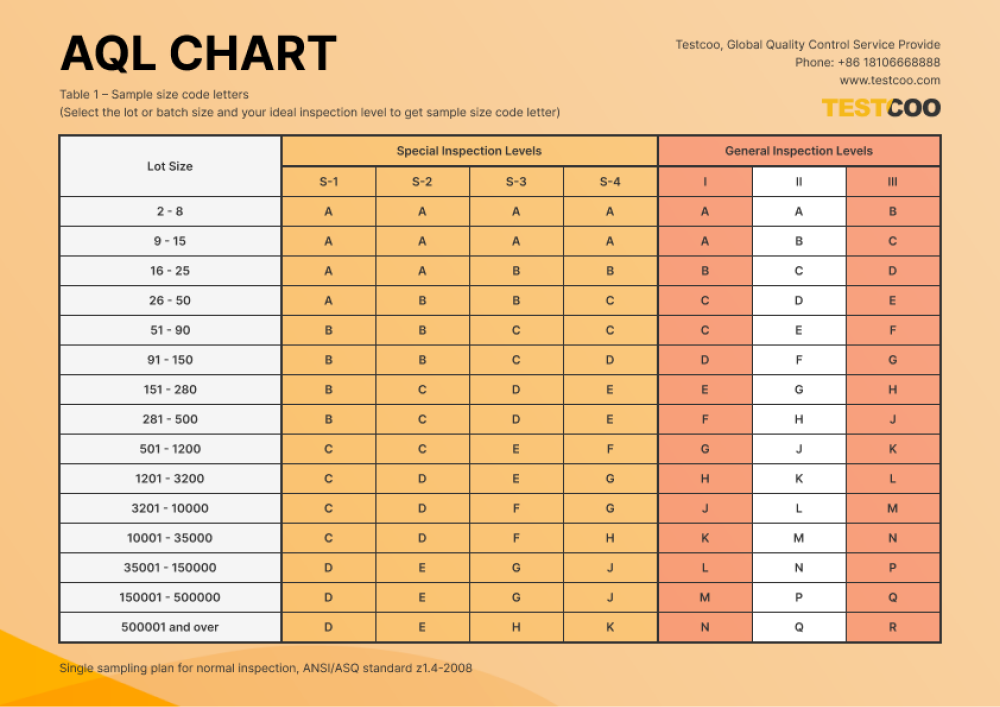
How to read this table?
If you follow my example, I assume your ‘lot size’ is comprised between 3,201 pcs and 10,000 pcs, and that your inspection level is ‘II’. Consequently, the code letter is “L”.
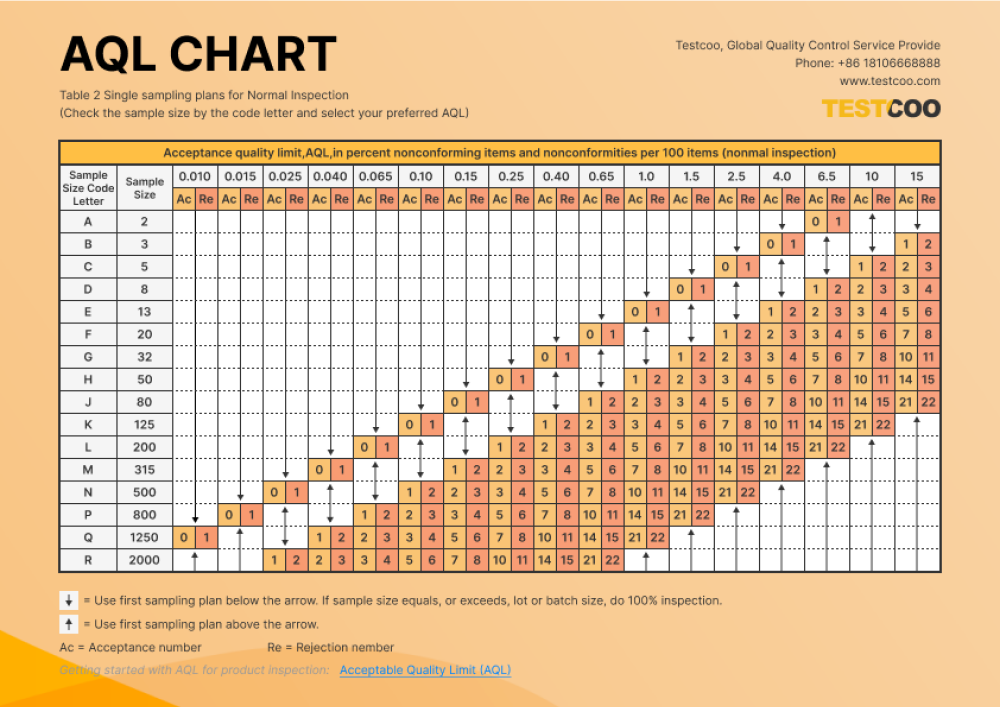
How to read this table?
Our code letter is “L”, so you will have to draw 200 pcs randomly from the total lot size. Besides, I assume you have set your AQL at 2.5% for major defects and 4.0% for minor defects. Therefore, here are the limits: the products are accepted if NO MORE than 10 products with major defects AND NO MORE than 14 products with minor defects are found. For example, if you find 15 products with major defects and 12 products with minor defects, the products are refused. If you find 3 with major defects and 7 with minor defects, they are accepted.
AQL Chart
In performing sampling inspection,
Testcoo inspectors exclusively apply
the ISO 2859 standard and the tables provided by it.
4 Parameters
You Should Know Before Using the AQL Tables
 1. The ‘lot size’
Lot size is defined as the item in a lot in ISO 2859. If you ordered different products, consider each product as a separate lot. (The quantity of each product is the lot size). If you ordered only one product, the lot size is the total batch quantity.
2. The inspection levelThe inspection level designates the relative amount of inspection. Three inspection levels, Ⅰ, II, and Ⅲ, are given in Table 1 for general use. Unless otherwise specified, level Ⅱshall be used. levelⅠmay be used when less discrimination is needed or level Ill when greater discrimination is required. Four additional special levels, S-1, S-2, S-3 and S-4 are also given in Table 1 and may be used where relatively small sample sizes are necessary and larger sampling risks can be tolerated.
3. The AQL limitsQuality level that is the worst tolerable process average when a continuing series of lots is submitted for acceptance sampling. The AQL limits appropriate for your market. If your customers accept very few defects, you might want to set a lower AQL for both major and minor defects.
4. AQL defects?Usually in production quality control defects are classified in three types: Critical, Major and Minor.
Critical defect
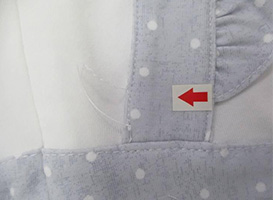
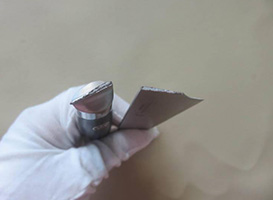
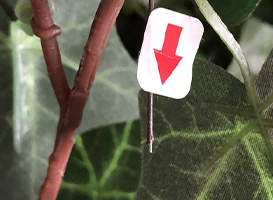
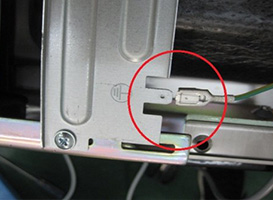
A defect which experience and judgment indicates is likely to result in a hazardous and/or injurious situation to the user, or makes the product subject to legal seizure, or specified in contractual requirement.
Pose a safety hazard to the expected user
Cause product recalls
Brand damaging defects
Hazard sharp point, edge on package
Missing local language of the destination
Power switch loose assembly, damage, connector not cover with insulation tube
Needle detected
Major defect
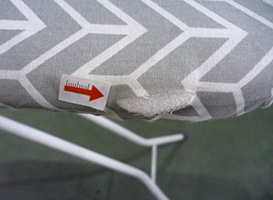
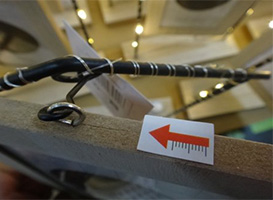
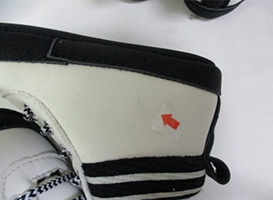
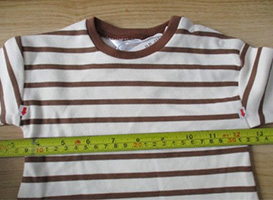
Any defect other than critical is likely to result in failure, or to reduce materially the usability of the product for its intended purpose, or specified in contractual requirement.
Affects the performance or function of a product
Affects product specifications
Causes the end customer to not buy or return the product
Skipped stitches
Product cannot assemble smoothly
incorrect type/rating of bulb
Cannot reach rated voltage
Minor defect
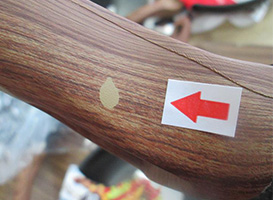
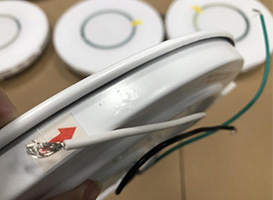
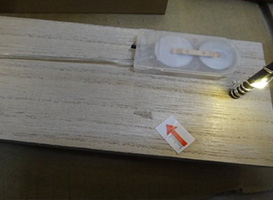
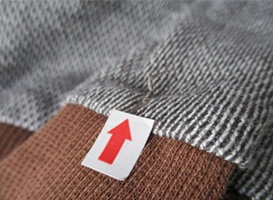
Any defect that is not likely to reduce the usability of the product for its intended purpose, or is departure from established standards having little bearing on the effective use of the products, or specified in contractual requirement
It doesn't affect the function or use of the product
Barely noticeable at arm distance
Would be unlikely to cause a return or make the product unsellable
dirty stain
untrimmed thread ends
Glue mark
Poor paint of product
A professional QC company can often recommend what they feel is an appropriate inspection method. But ultimately the decision about how many units to check must be made by you, the importer, based on your product, budget, appetite for risk and other factors. Most importers of consumer and industrial products will find that an inspection using AQL sampling is best for them most of the time.
评论
发表评论