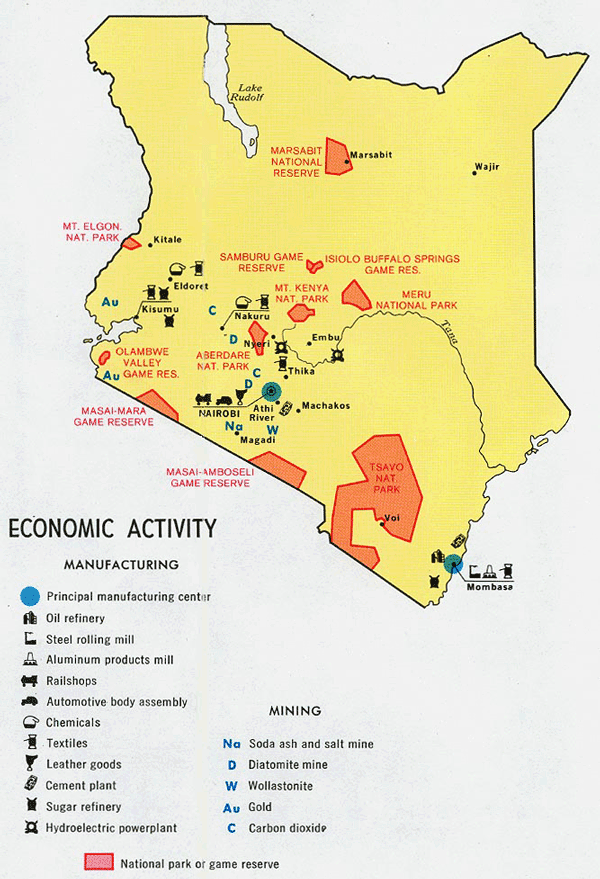
The Republic of Kenya is a country in Africa. With a population of more than 52.2 million people, Kenya is the 27th most populous country. Kenya’s capital and largest city is Nairobi while its oldest city and first capital is the coastal city of Mombasa.
Kisumu City is the third-largest city and also an inland port on Lake Victoria. Other important urban centers include Nakuru and Eldoret.
The manufacturing sector is identified as one of four main areas of focus by the Kenyan government’s economic agenda. Nairobi is the regional business hub for East Africa. The cotton, textiles, and apparel (CTA) industry is Kenya’s second-largest manufacturing industry after food processing and has been classified as a core industry.
The clothing and textile industry in Kenya played an important role in the industrialization of today’s developed countries. Kenya’s garment exports amounted to $ 420 million in 2020 even though the Covid-19 pandemic compounded supply-chain problems.
Similar to Ethiopia, Kenya’s garment sector has gained its reputation in the world market as one of the emerging suppliers for high-volume of bulk basic garment items, such as t-shirts and trousers. Of Kenya’s top ten apparel exports, six are cotton products and four are man-made fiber products. Almost half of Kenya’s apparel exports to the US are in women's and girls’ cotton trousers, slacks, and shorts, and manmade fiber slacks, breeches, shorts, knit shirts, and blouses.
Kenya Quality Control Inspection
Testcoo quality technicians operate in the cities of Nairobi and its surrounding areas. Our quality control inspectors and auditors offer inspection services for consumer goods. Testcoo quality control solutions that increase efficiency and maximize resources in the manufacturing process and related supply chain are attractive to manufacturers, importers, and buyers in Kenya.
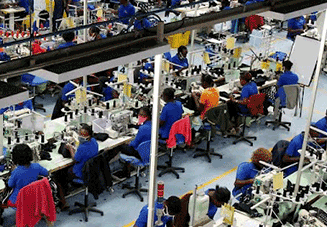
The Industries Testcoo Quality Control Inspections Generally Cover
All you need to Know When Importing from Kenya
Testcoo is a professional quality control company, helping all importers and retailers to make the supply chain safe. Our inspectors have been performing quality inspections and factory audits for Li&Fung for several years in Kenya, with fantastic results.
The Pricing for quality control in Kenya:
Product Inspections in Kenya start from $259 per man-day, which is slightly lower than many of Testcoo’s competitors. Supplier audits are offered for $359 per man-day.
Booking and report:
Book on the go. 24/7 taking orders and 1 working day to get a report with on-site actual found and pictures.
A Pre-shipment Inspection Main Checklists:
- ● Visual and Workmanship Check
- ● Quantity Conformity
- ● Product and Packaging Check
- ● Data Measurement and Field Test
List of Apparel and Textile Manufacturers in Kenya
Here you can find most of the textile manufacturers in Kenya with design, production, and distribution of quality clothing and fabrics which are generally made through weaving, knitting, binding, or crocheting.
- 1. Spin Knit Limited
- 2. Rivatex East Africa Limited
- 3. Thika Cloth Mills
- 4. Sunflag Textile & Knitwear Mills
- 5. Spinners & Spinners Ltd
- 6. Fine Spinners Ltd
- 7. Alliance Garment Industries Ltd
- 8. KEMA East Africa Ltd
- 9. Supra Textiles Ltd
- 10. Specialised Towel Manufacturers Ltd
- 11. United Footwear Ltd
- 12. African Leather Industries Ltd
- 13. C&P Industries Limited
- 14. Bantu Shoes
- 15. Peponi Footwear Industries
- 16. Macquin Shoes Ltd
- 17. Crown Industries Ltd
- 18. Adix Ltd
- 19. United Aryan EPZ ltd , Location: Nairobi
- 20. Brother Knitwear factory Ltd , Location: Nairobi
Conclusion
While the majority of textiles sold in the EU come from Asia, there is growing interest in sourcing from African countries. In Kenya, a thriving textiles industry is emerging, and exports to the EU are a small but growing share of Kenyan textile exports.
Testcoo quality control solutions include supply chain management, and quality control inspections, among others. In Kenya, our inspection team will ensure that your goods meet all regulations and requirements for the EU market.
Businesses in producing countries-Kenya will need to comply with the evolving requirements of the EU market. If you would like to explore quality control inspection in Kenya or to discuss your future supply chain challenges. Please get in touch with us at sevice@testcoo.com.
评论
发表评论