Do you want to make sure your suppliers are reliable and capable before integrating them into your supply chain?
In general, audits allow you to assess suppliers, but they sometimes have different goals. For example, some audits focus on evaluating a factory’s quality management system (QMS), while others focus on social or environmental responsibility.
Here are seven different types of audits you might consider to help you evaluate your manufacturing partners and limit risk in your supply chain.
Quality management system audits are one of the most undervalued tools for ensuring optimum product quality and on-time delivery.
The quality auditors visit the factory to identify the existing and potential risks in the quality management of the supplier though the actual production site visits, key processes, key post observation, interviews with key employees, inspection and verification of important records and reports, and consider the actual production process and main products.
Factory quality assessment offers you greater visibility into whether a supplier’s management system adhere to a defined quality standard. Absent a solid understanding of a supplier’s quality-related activities, manufacturers will struggle to know if the supplier’s quality system is unstable.
Check a quality management system audits sample report.

A Social Compliance Audit enable businesses to assess their suppliers, monitor health and safety, working hours, wages and compensation for workers, and signal zero tolerance of human rights abuses such as child labor, forced labor, and safety hazards.
The auditors always conduct a social compliance audit via employee and manager interviews, on-site assessment, and document checks.
It is one of the best ways to understand the working conditions at a supplier site via employee and manager interviews, on-site assessment, and document checks. Many retailers like Walmart, Tesco, COSTCO, Zara, Disney, Guess, and others actually require them in order to put your products on their shelves.
The social responsibility audit TESTCOO provides include three main types: General COC audit, SMETA audit and SLCP verification.
An environmental management audit verifies whether the company has met the environmental objectives, policies, and performance set by management.
Environmental management audits play a significant role in sustainability. The audit reveals details about the activities of a company and its compliance with environmental regulations. Conducting an environmental audit is no longer an option but a sound precaution and a proactive measure in today's heavily regulated environment.
The environmental management audits TESTCOO can provide include: General environmental management system audit (EMS audit) and Higg FEM.
The Textile Exchange has developed a series of certification standards related to the Chain of Custody in order to ensure the reliability of Content claims and integrate them with the requirements of sustainability.
Textile exchange supply chain supervision series standards certification program includes: RCS, GRS, OCS, GOTS, RWS/RMS/RAS, RDS and other series of standards.
 Supplier assessment is gathering specific information about suppliers and their business through the on-site inspection of suppliers.
Any importer should conduct a supplier assessment on a potential new supplier, to confirm that they fit your needs, or to assure that a current supplier is improving.
A supplier assessment helps you verify your new vendor is not a fraud, reduces the risk of you working with a supplier who, ultimately cannot get your goods done at the cost, quality, and within the timescale, you’re expecting.
TESTCOO’s auditor qualifies or disqualifies a potential supplier based on legitimacy, qualification, main products, main production processes, production capacity (including the number of equipment, the number of personnel, the area of the site), research and development capabilities, market experience, basic supplier management practices, basic quality management practices, basic social responsibility management practices, account information, etc. before you start working with them.
Customs Trade Partnership Against Terrorism (C-TPAT) is a voluntary public-private sector partnership program which recognizes that CBP can provide the highest level of cargo security only through close cooperation with the principle stakeholders of the international supply chain such as importers, carriers, consolidators, licensed customs brokers, and manufacturers.
Companies wishing to be C-TPAT participants must complete an application and conduct a self-assessment of their supply chain security procedures against the C-TPAT criteria or guidelines jointly developed by CBP and the trade community.
If you plan to participate in the C-TPAT program, a security audit will help you assess the security of your supply chain.
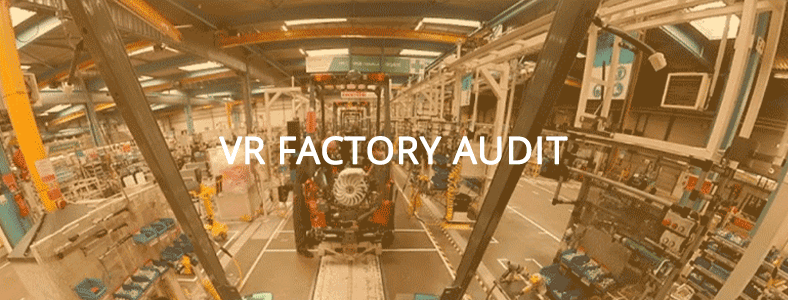
VR factory audit is a more advanced way for new supplier assessment. TESTCOO VR Factory Audit Service makes it possible for retailers, importers, and buyers to experience like on-site by yourself by applying VR panoramic camera technology.
Sitting at office, you may easily get a 360-degree view of the factory. With professional comments by our inspector, every detail can be spotted on your screen. This self-developed system ensures the quality, compliance, and safety of your products through the global supply chain as well as a healthy society and environment where the production is conducted.
At TESTCOO, we send independent third-party auditor to your supplier’s manufacturing facilities to objectively evaluate core objectives of safety, security, ethical operations, compliance of government regulations, adherence to your company’s standards, and to avoid costly supply chain interruptions.
If you’re thinking about auditing a supplier feel free to reach out to discuss with us.
Contact us now!
In general, audits allow you to assess suppliers, but they sometimes have different goals. For example, some audits focus on evaluating a factory’s quality management system (QMS), while others focus on social or environmental responsibility.
Here are seven different types of audits you might consider to help you evaluate your manufacturing partners and limit risk in your supply chain.
What are the 7 Types of Factory Audits?
1. Quality Management System Audit
Quality management system audits are one of the most undervalued tools for ensuring optimum product quality and on-time delivery.
The quality auditors visit the factory to identify the existing and potential risks in the quality management of the supplier though the actual production site visits, key processes, key post observation, interviews with key employees, inspection and verification of important records and reports, and consider the actual production process and main products.
Factory quality assessment offers you greater visibility into whether a supplier’s management system adhere to a defined quality standard. Absent a solid understanding of a supplier’s quality-related activities, manufacturers will struggle to know if the supplier’s quality system is unstable.
Check a quality management system audits sample report.
2. Social Compliance Audit
A Social Compliance Audit enable businesses to assess their suppliers, monitor health and safety, working hours, wages and compensation for workers, and signal zero tolerance of human rights abuses such as child labor, forced labor, and safety hazards.
The auditors always conduct a social compliance audit via employee and manager interviews, on-site assessment, and document checks.
It is one of the best ways to understand the working conditions at a supplier site via employee and manager interviews, on-site assessment, and document checks. Many retailers like Walmart, Tesco, COSTCO, Zara, Disney, Guess, and others actually require them in order to put your products on their shelves.
The social responsibility audit TESTCOO provides include three main types: General COC audit, SMETA audit and SLCP verification.
3. Environmental Management Audit
An environmental management audit verifies whether the company has met the environmental objectives, policies, and performance set by management.
Environmental management audits play a significant role in sustainability. The audit reveals details about the activities of a company and its compliance with environmental regulations. Conducting an environmental audit is no longer an option but a sound precaution and a proactive measure in today's heavily regulated environment.
The environmental management audits TESTCOO can provide include: General environmental management system audit (EMS audit) and Higg FEM.
4. Textile Exchange Supply Chain Supervision Series Standards Certification Program
The Textile Exchange has developed a series of certification standards related to the Chain of Custody in order to ensure the reliability of Content claims and integrate them with the requirements of sustainability.
Textile exchange supply chain supervision series standards certification program includes: RCS, GRS, OCS, GOTS, RWS/RMS/RAS, RDS and other series of standards.
5. Supplier Assessment
Supplier assessment is gathering specific information about suppliers and their business through the on-site inspection of suppliers.Any importer should conduct a supplier assessment on a potential new supplier, to confirm that they fit your needs, or to assure that a current supplier is improving.
A supplier assessment helps you verify your new vendor is not a fraud, reduces the risk of you working with a supplier who, ultimately cannot get your goods done at the cost, quality, and within the timescale, you’re expecting.
TESTCOO’s auditor qualifies or disqualifies a potential supplier based on legitimacy, qualification, main products, main production processes, production capacity (including the number of equipment, the number of personnel, the area of the site), research and development capabilities, market experience, basic supplier management practices, basic quality management practices, basic social responsibility management practices, account information, etc. before you start working with them.
6. C-TPAT
Customs Trade Partnership Against Terrorism (C-TPAT) is a voluntary public-private sector partnership program which recognizes that CBP can provide the highest level of cargo security only through close cooperation with the principle stakeholders of the international supply chain such as importers, carriers, consolidators, licensed customs brokers, and manufacturers.
Companies wishing to be C-TPAT participants must complete an application and conduct a self-assessment of their supply chain security procedures against the C-TPAT criteria or guidelines jointly developed by CBP and the trade community.
If you plan to participate in the C-TPAT program, a security audit will help you assess the security of your supply chain.
7. VR Factory Audit
VR factory audit is a more advanced way for new supplier assessment. TESTCOO VR Factory Audit Service makes it possible for retailers, importers, and buyers to experience like on-site by yourself by applying VR panoramic camera technology.
Sitting at office, you may easily get a 360-degree view of the factory. With professional comments by our inspector, every detail can be spotted on your screen. This self-developed system ensures the quality, compliance, and safety of your products through the global supply chain as well as a healthy society and environment where the production is conducted.
How TESTCOO can Help?
Factory audits are one of the best ways to get a full picture of your supplier’s sourcing and operational policies. Each type of factory audit is lead to protect your company's image and brand image.At TESTCOO, we send independent third-party auditor to your supplier’s manufacturing facilities to objectively evaluate core objectives of safety, security, ethical operations, compliance of government regulations, adherence to your company’s standards, and to avoid costly supply chain interruptions.
If you’re thinking about auditing a supplier feel free to reach out to discuss with us.
Contact us now!
评论
发表评论